
The Mind-Body Connection in Movement

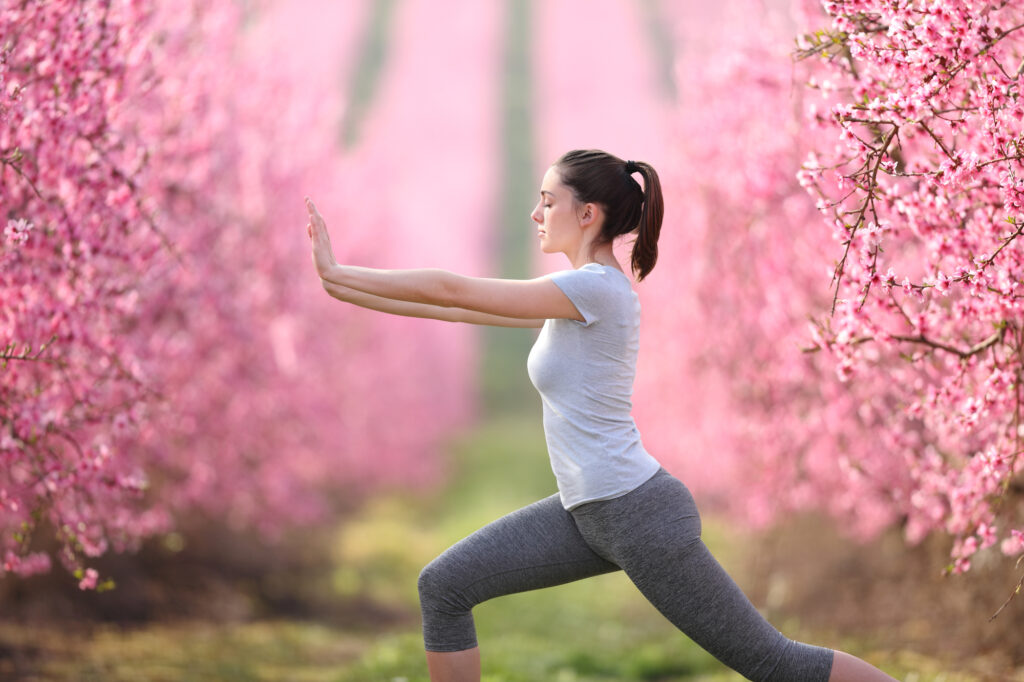
Often, in our frenetic race against time, we treat physical activity as merely a checkbox to tick off. But what if we were to approach movement with more consciousness? The concept of ‘mindful movement’ encompasses exercises that merge both mental and physical components. By being present during exercise, not only do we elevate the physical benefits, but we also nourish our mental well-being. This guide explores the fusion of the mind and body through movement, introducing age-old practices like Yoga, Tai Chi and Qigong.
The Power of Mindful Movement
- Holistic Wellness: When we combine the act of being present (mindfulness) with physical movement, it fosters holistic well-being, enhancing both mental and physical health.
- Enhanced Benefits: Mindful movement can improve coordination, balance, and even increase the efficiency of the workout, as one is more attuned to form and posture.
- Reduced Stress: Engaging the mind during physical activities can help in reducing stress, anxiety, and depression. It offers a momentary escape from the daily hustle, grounding the individual.
Types of Mindful Movement
- Tai Chi: Originating from ancient China, Tai Chi is often termed “meditation in motion”. It involves a series of slow, deliberate movements synchronised with deep breathing. Its benefits span improved flexibility, balance, and mental tranquillity.
- Qigong: A relative of Tai Chi, Qigong is rooted in traditional Chinese medicine, martial arts, and philosophy. It translates to “life energy cultivation” and, much like Tai Chi, focuses on rhythmic movements, breathing techniques, and meditative elements. It’s believed to balance the body’s energy, aiding in healing and overall wellness.
- Yoga: Yoga is a practice that originated in ancient India, connecting the mind, body, and spirit through a combination of physical postures, breathing exercises, and meditation. Different styles of yoga cater to various needs and preferences, ranging from the more physically demanding Ashtanga and Vinyasa to the gentle and restorative Yin Yoga. Regular yoga practice is known to enhance flexibility, strength, balance, and mental clarity.
Actionable Tips
- Start Simple: Before diving into complex movements, begin with basic breathing exercises, focusing on the inhalation and exhalation, grounding yourself.
- Tai Chi Basics: Try the ‘Opening of Tai Chi’, a foundational movement where you stand with feet together, then slowly part them while raising your arms, taking deep breaths.
- Qigong Energy Ball: Imagine holding an energy ball between your hands, slowly move them apart and together, feeling the ‘energy’ transfer. You can learn this and the other fundamentals of Qigong with Annabel here.
- Stay Present: Whether you’re walking, stretching, or doing any exercise, make an effort to be present. Feel each muscle stretch or contract, tune into your heartbeats, and be aware of your surroundings.
Conclusion
Incorporating mindfulness into our movement routines enriches the experience, allowing us to reap both physical and psychological benefits. By understanding and embracing practices like Yoga, Tai Chi and Qigong, we acknowledge that our wellbeing is a harmonious blend of both mind and body. So, the next time you move, do it with intent, presence, and gratitude.
Additional Resources/References
Responses