
Breathe Easy: The Power of Deep Breathing Techniques

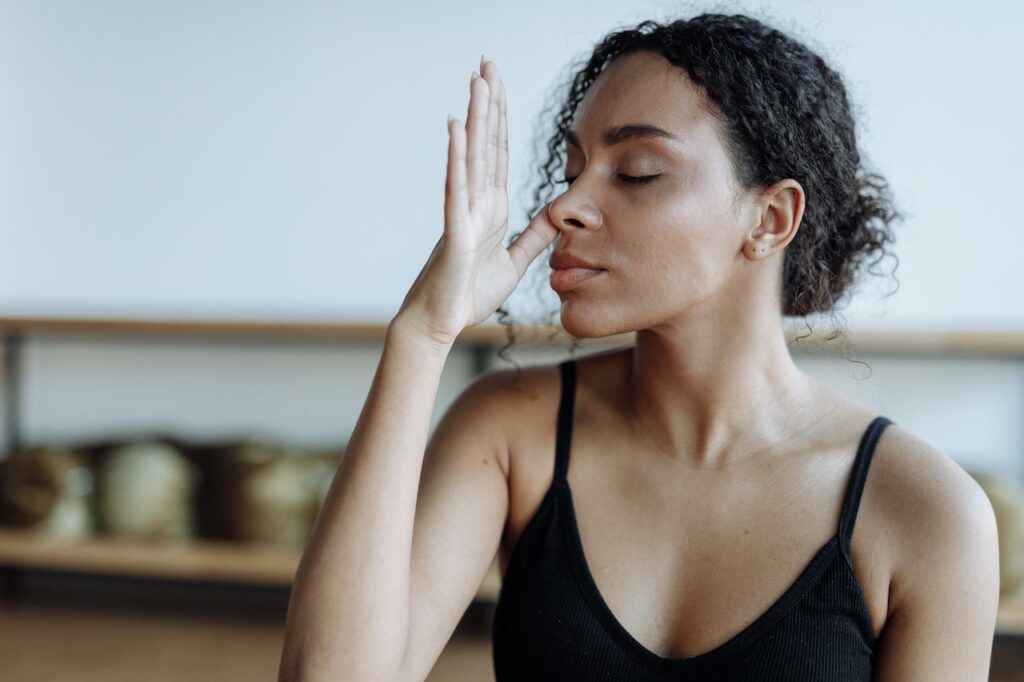
Breathing is so automatic that most of the time, we don’t even think about it. But did you know that the way we breathe can significantly influence our mood, stress levels, and overall wellbeing? Deep breathing isn’t just about filling our lungs; it’s about harnessing a tool we always have with us to improve our mental state. Let’s delve into how breathing techniques can be our silent ally in the quest for calm.
Breathing’s Impact on Mood and Stress
Our breath can play a huge part in how we feel and our stress levels.
- Physiological Response: When stressed, our breathing becomes shallow and rapid. By consciously deepening our breath, we can activate the body’s relaxation response, reducing heart rate and blood pressure.
- Brain Chemistry: Deep breathing increases the supply of oxygen to our brains, promoting a state of calmness. It also helps balance the levels of oxygen and carbon dioxide, influencing the levels of neurotransmitters and enhancing mood.
- Mindfulness and Presence: Focusing on our breath keeps us in the present moment, diverting attention from stressors and anchoring us in the now.
Techniques to Explore
Want to try some different breathing techniques? Here are 3 of the most popular.
- Diaphragmatic Breathing (Belly Breathing): Place one hand on your chest and the other on your belly. Take a slow, deep breath in through your nose, allowing your diaphragm to move downwards and your belly to expand. Exhale slowly through pursed lips. Ensure the hand on your chest remains relatively still.
- 4-7-8 Technique: Inhale quietly through your nose for a count of 4. Hold the breath for a count of 7. Exhale completely through your mouth, making a whooshing sound, for a count of 8. This completes one breath. Repeat this cycle for four breaths and gradually increase over time.
- Box Breathing: Inhale for a count of 4. Hold your breath for a count of 4. Exhale for a count of 4. Pause and hold your breath again for a count of 4. This completes one cycle. Repeat for a few minutes.
Actionable Tips
- Consistency is Key: Like any skill, deep breathing becomes more effective with practice. Dedicate a few minutes daily to practice your chosen technique.
- Use Tools: There are numerous apps and online resources offering guided breathing exercises to help keep you on track. We highly recommend Charlie’s breath work classes here!
- Posture Matters: Ensure you’re in a comfortable position, preferably sitting upright, to allow unobstructed airflow.
Conclusion
Breathing might be automatic, but using it intentionally can be a game-changer for our mental health. By incorporating deep breathing techniques into our daily routine, we can better navigate the stresses of life, one breath at a time. So, the next time you feel overwhelmed, take a moment to focus on your breath and let its calming influence wash over you.

Responses